

Arkansas just led the country in inbound migration and ranks as the most affordable state to live in, so demand is here. The harder truth for anyone working the state is that Arkansas real estate leads never come from one place. They come from the Fortune 500 pull in Bentonville, the foreign fighter-jet training mission landing in Fort Smith, the steel mills reshaping the northeast Delta, the lithium fields opening in the south, the suburban shift around Little Rock, and the retiree lakes of the Ouachitas.
That is six different markets, each producing a different kind of buyer and seller, often on a different timeline. The agents who win in Arkansas are not the ones chasing a single lead source. They are the ones running a system that catches each of those engines early, while the buyer or seller is still deciding. This guide breaks down what is driving demand region by region, where the leads actually are, and how to build a pipeline that holds across a state this varied. If you would rather own a county than rent leads in it, that option runs through everything below, and you can check whether your Arkansas county is still open as you read.
What’s driving Arkansas real estate demand right now
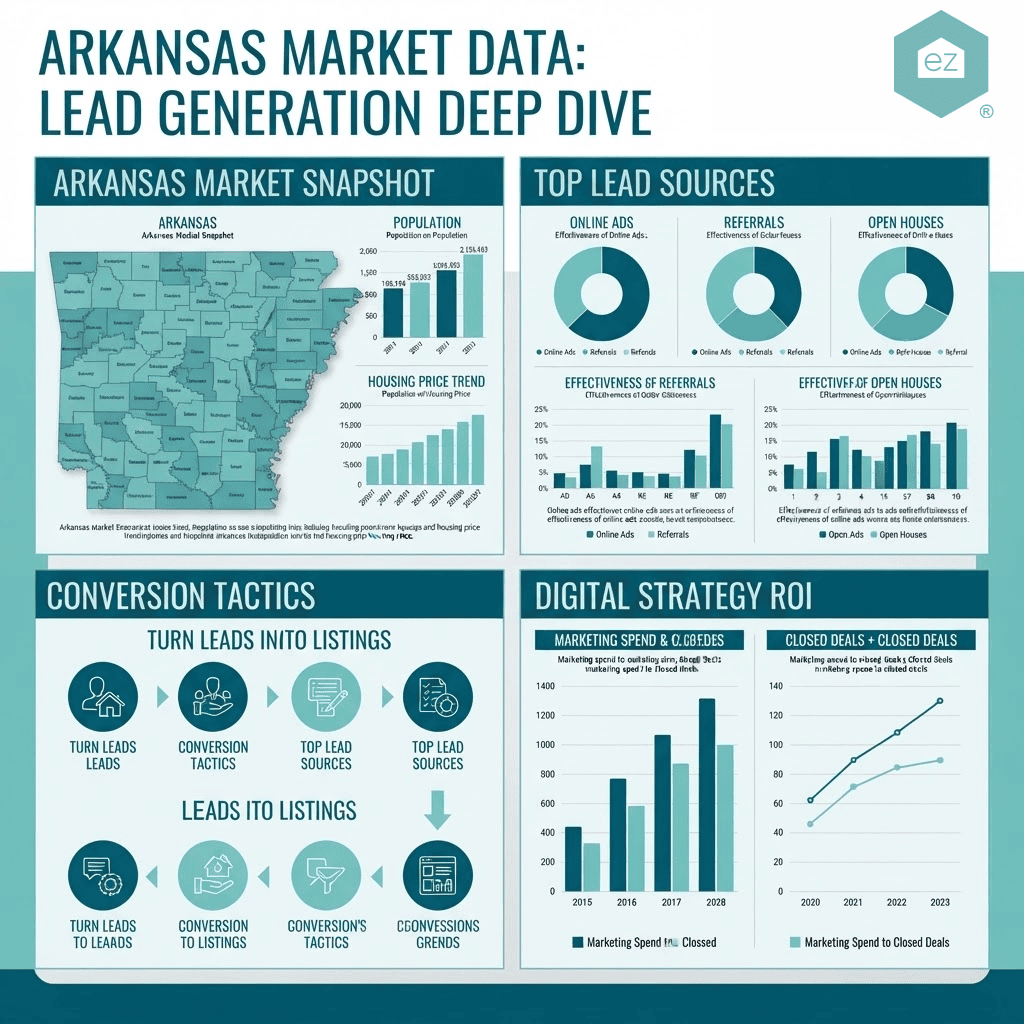
Arkansas is gaining people, and the reasons are stacking up rather than fading. The state posted some of the strongest net inbound migration in the country, with roughly 14,500 more people arriving from other states than leaving in a recent year, and it consistently lands at or near the top of national mover surveys (Atlas Van Lines, 2024). Affordability is the magnet. Arkansas ranks as the most affordable state in the nation for cost of living, and ez Home Search’s own market data shows a statewide median home value still well below the national figure.
Property taxes reinforce the pull. Effective rates run near the bottom ten states nationally, and the homestead property-tax credit climbed from $425 to $500 effective in 2024 and to $600 with the 2026 bills. For a buyer comparing Arkansas against Texas, Tennessee, or the coasts, that gap shows up every month in the payment.
The market itself has rebalanced in buyers’ favor. Inventory expanded through the last year, statewide sales volume cooled, and days on market in the busiest region stretched from the mid-20s into the 35-to-45-day range. For agents, a slightly slower market is not bad news; it is more time to get in front of a buyer or seller before the decision is made. The pressure to win the deal in 48 hours eases, and the value of being the local name a buyer already trusts goes up.
Underneath the statewide numbers, the regions are pulling in different directions. Northwest Arkansas and Central Arkansas are booming. Parts of the Delta and the south are flat or softening. A handful of mid-size markets are being remade by single, very large employers. None of that shows up if you treat Arkansas as one market, which is exactly why so many agents misread it.
How Arkansas’s regions diverge, and the leads each one creates
Real estate demand in Arkansas shifts dramatically from one region to the next, and each region creates a different lead. The smart move is to read your region’s actual driver and match your marketing and follow-up to it, rather than running the same playbook statewide.
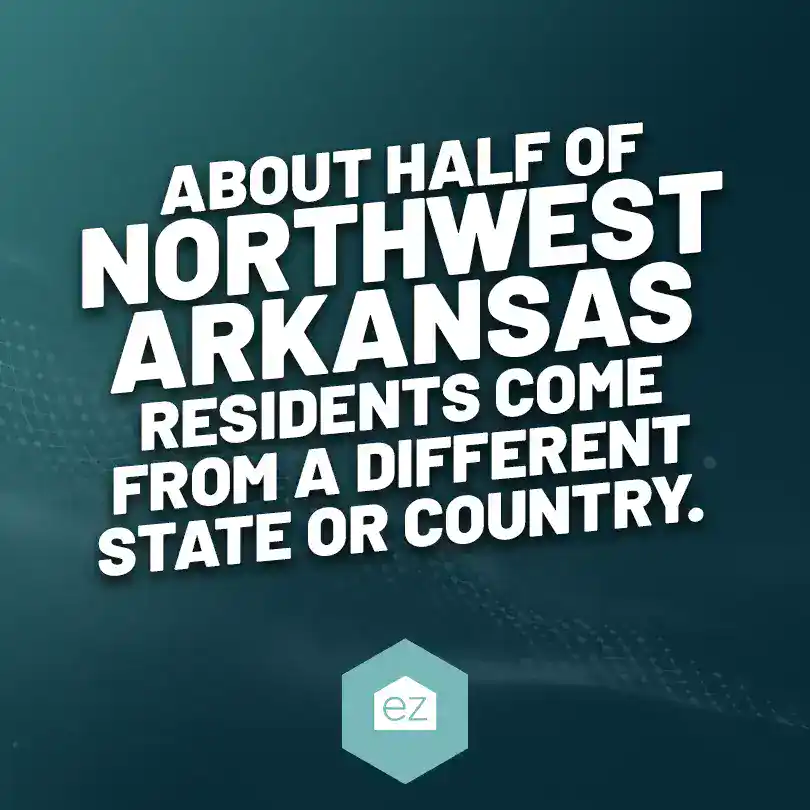
Northwest Arkansas is the growth engine. The Fayetteville-Springdale-Rogers metro passed 622,000 people and grew about 2.4% in a single year, ranking among the fastest-growing metros in the country, anchored by three Fortune 500 headquarters: Walmart, Tyson Foods, and J.B. Hunt. That growth has pushed prices up hard. ez Home Search’s data shows the average single-family price in Benton County now runs near $470,000, up sharply over five years, and affordable housing is the concern residents name first. The lead here is the relocating professional and the equity-rich owner, both moving fast.
Central Arkansas is shifting to the suburbs. The six-county Little Rock metro sits around 771,000 people, and the fastest growth is in Faulkner and Saline counties as buyers leave Pulaski County for Conway, Bryant, Benton, and Cabot in search of land, newer construction, and schools. The lead here is the move-up buyer trading a starter home in the city for more house in a growing suburb.

The River Valley is being remade by a military mission. Ebbing Air National Guard Base in Fort Smith is now the long-term foreign pilot training center for F-16 and F-35 jets flown by Singapore, Poland, Germany, Switzerland, Finland, and others. Officials estimate the impact near a billion dollars a year, with up to 1,500 military staff and their families relocating in. Polish pilots have already trained there, with German and Singaporean personnel arriving through 2026. The lead here is the relocating military family on a clock, the kind of buyer who searches for months before a single boot hits the ground.
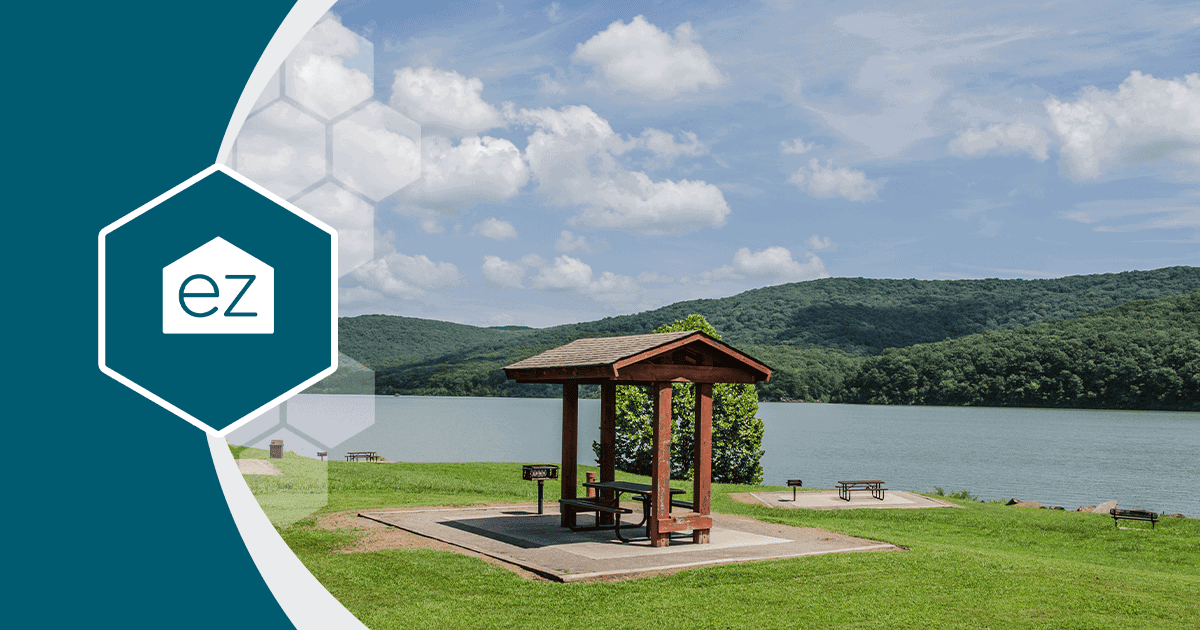
The northeast Delta is rebuilding on steel. Mississippi County, around Osceola and Blytheville, has become one of the country’s top steel-producing counties, home to Nucor, U.S. Steel’s Big River Steel and its new second mill, and the new Hybar plant. U.S. Steel alone is planning roughly three billion dollars of construction over three years, and total steel employment is heading toward 4,000. An hour west, Jonesboro anchors the region with Arkansas State University and St. Bernards Medical Center and a jobless rate near 3.1%, below state and national levels. The lead here is the new-hire buyer chasing a manufacturing or healthcare paycheck into a market that did not used to draw them.
South Arkansas is opening a lithium frontier. The Smackover formation under Columbia, Lafayette, and Union counties has drawn ExxonMobil, which holds well over 100,000 acres and plans a processing plant near Magnolia, along with a Standard Lithium and Equinor joint venture, both targeting production in the next few years. This is early, but towns like Magnolia and El Dorado are positioned for a wave of energy-sector hiring that south Arkansas has not seen in a generation. The lead here is forward-looking, and the agent who plants a flag now owns the relationship before the boom is priced in.
The Ouachitas run on tourism and retirement. Hot Springs draws buyers with the national park, the lakes, and waterfront homes, and Hot Springs Village remains one of the largest gated retirement communities in the country. The cost of carrying a home sits well below the national average. The lead here is the retiree weighing a move and the second-home buyer, both of whom respond to patience and local knowledge, not pressure.
| Region | Anchor county or metro | What’s driving demand |
|---|---|---|
| Northwest Arkansas | Benton, Washington (Fayetteville-Springdale-Rogers) | Fortune 500 employers (Walmart, Tyson, J.B. Hunt) fueling fast in-migration and rising prices |
| Central Arkansas | Pulaski, Faulkner, Saline, Lonoke (Little Rock metro) | Demand shifting from the core to suburbs in Conway, Bryant, Benton, and Cabot |
| Arkansas River Valley | Sebastian, Crawford, Pope (Fort Smith, Russellville) | Ebbing foreign pilot training mission relocating up to 1,500 military families |
| Northeast Arkansas (Delta) | Craighead, Mississippi, Greene | Steel boom in Osceola and Blytheville; Jonesboro healthcare and university hub |
| South Arkansas (Timberlands) | Union, Columbia, Lafayette | Smackover lithium investment positioning the region as an energy-minerals hub |
| Ouachitas | Garland, Hot Spring (Hot Springs) | Tourism, lakes, and retirement demand with strong affordability |
Getting consistent buyer leads across Arkansas
Buyer leads in Arkansas come down to one move: match the reason behind the search to a tool that captures and acts on that intent. A relocating Walmart supplier in Bentonville, a retiree eyeing Lake Hamilton, and a Jonesboro nurse buying her first home are three different searches, and the agent who reads them differently wins more of them.
Most of your best buyers are looking long before they call anyone. Out-of-state relocators, military families headed for Fort Smith, and corporate transferees into Northwest Arkansas often start searching months ahead of a move. On a legacy real estate portal, that early activity gets captured, packaged, and sold to several agents at once as a cold name with no context. On ez Home Search, that same activity becomes signal. Saved searches, repeat visits to the same listing, and a second run at a home valuation all feed a behavioral picture of who is getting close, so you reach out when the interest is real rather than working a list in the order it was bought.
That mechanism matters more in a state spread across the ten counties below, because demand is not concentrated in one metro you can blanket with ads. A buyer revisiting listings in Conway every evening is telling you something a cold lead never will. ezNurture, running on the partner’s CRM, keeps the follow-up going on its own, tied to what each buyer actually does, so a part-time interest does not go cold while you are closing someone else.
| County | Approx. population | Principal cities |
|---|---|---|
| Pulaski | 399,800 | Little Rock, North Little Rock, Sherwood, Jacksonville, Maumelle |
| Benton | 303,600 | Bentonville, Rogers, Bella Vista, Centerton |
| Washington | 256,800 | Fayetteville, Springdale, Johnson, Farmington |
| Sebastian | 128,900 | Fort Smith, Greenwood, Barling |
| Faulkner | 127,700 | Conway, Greenbrier, Vilonia |
| Saline | 127,500 | Benton, Bryant, Haskell |
| Craighead | 113,200 | Jonesboro, Brookland, Bono |
| Garland | 100,000 | Hot Springs, Hot Springs Village |
| White | 77,800 | Searcy, Beebe, Bald Knob |
| Lonoke | 75,300 | Cabot, Lonoke, Ward |
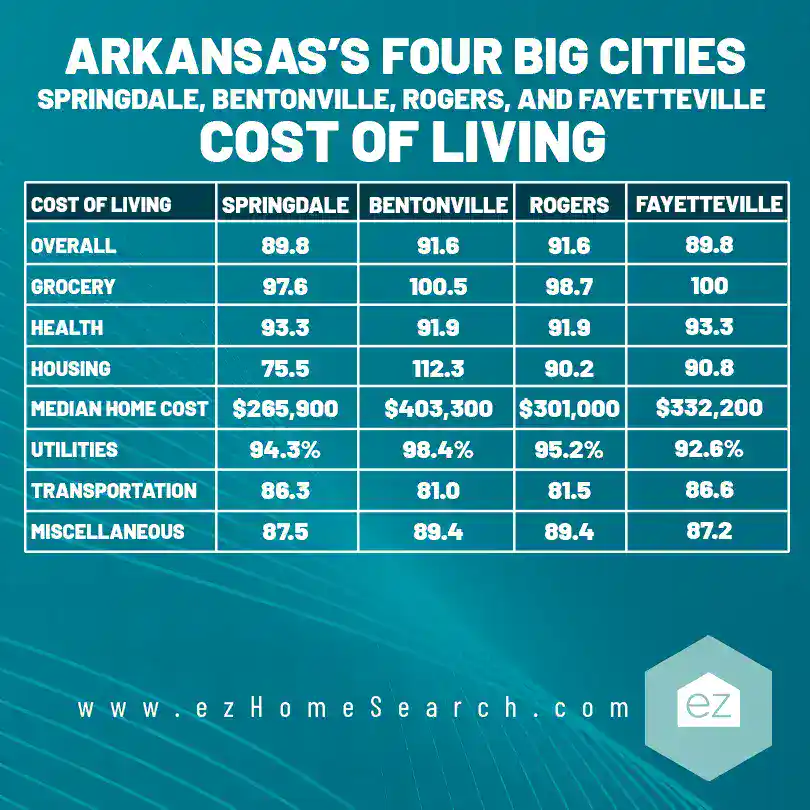
Affordability also changes the buyer conversation by region. In Benton County, where the average home runs near $470,000, you are coaching buyers through a competitive, higher-priced market. Two hours south or east, you are helping a first-time buyer stretch a modest budget into real space. The same generic lead funnel cannot speak to both. A system that knows where the buyer is searching and what they can afford can.
Turning Arkansas homeowners into seller and listing leads
Sellers rarely raise their hand early. They get curious first, and the agents who win the listing are the ones still in front of them when curiosity turns into a decision. The job is to surface seller intent early and stay visible until the timing is right.
Start with value. An automated valuation model, or AVM, paired with monthly home-value updates is a quiet, durable way to stay top of mind with owners who are not ready to list but are watching. In Northwest Arkansas, where Benton County owners have seen large equity gains over the past five years, those updates do real work, because an owner who learns how much equity they are sitting on starts running the math on a move. In the Ouachitas, retirees around Hot Springs and lake owners weighing a downsize respond to the same nudge for a different reason.
Life events and timing add a second layer. Owners thinking about relocating for a new job, settling an estate, or right-sizing in retirement give off signals before a listing ever goes public, and a steady stream of useful, local content keeps you in the conversation when they do.
The largest seller opportunity for most agents is the one already in their database. Repeat and referral business is the cheapest business in real estate, and most agents let it leak away. Research has long shown that the great majority of clients say they would use their agent again, while only a small share actually do, and the gap is follow-up. ez Home Search runs that reactivation for the partner, co-branded and automatic, so past clients keep coming back to a home search that carries your name and you keep surfacing the ones who are getting ready to sell. The county exclusivity partners we work with reactivate past clients at two-and-a-half to five times the market rate, and often higher, because the system never stops working the relationships they already earned.
How Arkansas agents generate leads now, and where it breaks down
Most Arkansas agents are already doing something to generate leads. Each common approach has real merit, and each has a ceiling worth naming plainly.
Shared leads from legacy real estate portals get you volume fast. The problem is what you are buying: the same contact sold to several agents at once, scraped of context, with no proof the person ever asked to hear from anyone. You compete with three other agents to reach a cold name, and you pay again next month. The portals are built to earn ad revenue and resell contacts, which is a fine business for them and a hard one to build a pipeline on.
A well-built IDX website is a genuinely good long-term play, and plenty of strong Arkansas agents run one. The catch is time. Between setup, content, and the wait for search rankings in competitive counties like Benton or Washington, the site often takes a year or more to produce, and the pipeline can dry up long before it pays off.
Cold outreach still works for agents willing to grind: working expired listings and for-sale-by-owners, circle prospecting a neighborhood, farming a zip code. The cost is hours and exposure. The moment you prospect by phone or text, the law treats you like a telemarketer, and if a contact disputes consent, the burden is on you to prove they opted in. Federal complaint volumes run into the millions a year, and a single unproven number can carry a $500 to $1,500 penalty. That risk sits on the agent, not the portal that sold the name.
Predictive-seller tools point you at homeowners who score likely to sell, which is useful, but a score is not a relationship. You still have to build and keep the one that turns a prediction into a listing. Generic all-in-one CRMs are sold as the thing that ties every piece together, and then hand you the work of configuring and running it. Do-it-yourself content and paid ads can both work, and both cost time and money most producing agents do not have to spare.
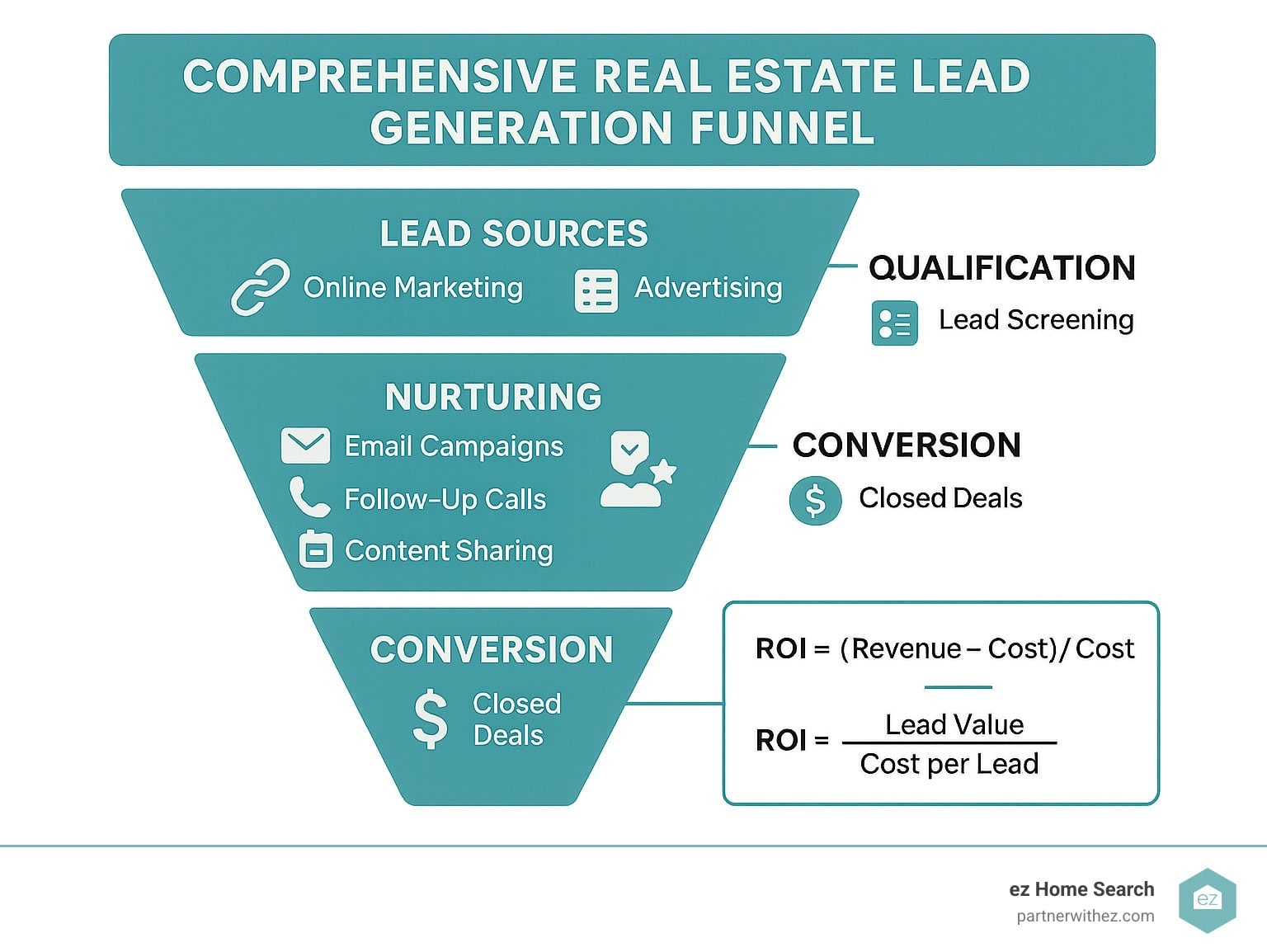
The pattern across all of them is the same. Each solves one slice of the problem and leaves you stitching the rest together, paying per lead, or carrying the compliance risk yourself. The agents pulling ahead in Arkansas are the ones who stopped assembling pieces and started working from one system that owns the whole path, from the first anonymous search to the signed listing.
Remote and hybrid work, plus rural broadband, are opening new Arkansas markets
There is a newer channel feeding Arkansas demand, and it is worth understanding before your competitors do: remote and hybrid work is putting Arkansas markets on the map for buyers who could not have considered them a few years ago. Remote work did not disappear after the pandemic; it settled in. About a quarter of all paid workdays in the country are now done from home, with hybrid schedules of two to three days remote the most common arrangement (Survey of Working Arrangements and Attitudes, Stanford). That figure runs well above the narrower government commute measure, which counts only people whose main way of getting to work is not commuting and misses most hybrid workers and the many smaller, results-first companies that never went back.
For a buyer earning a coastal or big-city salary, that flexibility plus the most affordable housing in the country is a powerful combination, and Arkansas is courting it directly. The state and several of its cities are paying remote workers to move there. Northwest Arkansas’s Life Works Here program offered a $10,000 incentive and a bike, drew more than 66,000 applications from over 115 countries and all 50 states, made around 100 awards, and projected hundreds of millions in new regional earnings, with most applicants having no prior tie to the region. West Memphis offers $10,000 to remote workers who buy a home there, and Fort Smith and Texarkana run their own programs.
What makes the smaller markets newly viable is infrastructure. Arkansas’s federally approved broadband plan will connect roughly 79,000 unserved and underserved locations, with a mix of about three-quarters fiber and a sizable share of low-Earth-orbit satellite service of the Starlink type, with construction starting in 2026, while national broadband coverage has already climbed to nearly every census tract. That is what turns an Ozark county or a Delta small town into a place a remote or hybrid worker can actually live. A hybrid worker within driving range of Memphis, Dallas, Tulsa, or the Northwest Arkansas corridor can now buy more home for less in a county that was off the table before the signal reached it.

For an agent, this is a specific, capturable segment rather than a vague trend. These buyers research from another state for months, they care about internet speed and drive times as much as schools, and they are exactly the kind of early, out-of-area searcher a national platform surfaces and a local portal lead never will. It also gives the lower-volume counties real upside, which is where the next section lives.
Lead opportunities beyond Arkansas’s big metros
The metros get the headlines, and the steadier opportunity for many agents is in the counties beyond them. These are lower-volume, higher-intent markets, the places where one well-known local agent faces little real competition and local authority compounds fastest. A buyer searching Mountain Home or Magnolia is not casually browsing; they have a reason, and there are fewer agents standing between you and them.
The counties below span the state’s regions, from the River Valley to the Ozarks to the lithium-belt south. Each has real communities where listings turn over and out-of-area buyers keep arriving.
| County | Region | Communities |
|---|---|---|
| Pope | River Valley | Russellville, Atkins, Dover, Pottsville |
| Crawford | River Valley | Van Buren, Alma, Mulberry |
| Greene | Northeast | Paragould, Marmaduke, Oak Grove Heights |
| Baxter | North-Central / Ozarks | Mountain Home, Gassville, Cotter, Norfork |
| Union | South | El Dorado, Smackover, Norphlet, Strong |
| Columbia | South | Magnolia, Taylor, Emerson, Waldo |
| Independence | North-Central | Batesville, Southside, Cushman |
| Boone | Ozarks | Harrison, Bergman, Alpena, Diamond City |
| Crittenden | Delta | West Memphis, Marion, Earle, Turrell |
| Carroll | Ozarks | Berryville, Eureka Springs, Green Forest |
In a market like Mountain Home or Eureka Springs, the agent who shows up everywhere a local buyer looks becomes the default choice, and in the lithium-belt towns of Union and Columbia counties, being early is the whole game. The challenge in these markets is never intent; it is staying visible and responsive without building your own marketing machine to do it. That is exactly what the right partnership handles for you.
Why the Exclusive County Partnership changes lead generation in Arkansas
Here is the structural difference. The ez Home Search Exclusive County Partnership hands one agent, team, or brokerage a whole Arkansas county outright, with their brand on the consumer experience and no rival partner working the same ground. You are not renting a stream of names. The county is yours. No fee attaches to each lead and no slice of your commission leaves with a closing, so a busy month pays you instead of billing you.
The reason those connections convert is the way they are made. As The Only Confidential Home Search, ez Home Search puts the person ahead of the sale, so a searcher’s contact details and budget never get sold, recycled, or scattered across a crowd of businesses they never chose. The platform then pairs that person with one Single Local Expert, you, picked because you fit what they are after and not because you outbid the field to reach them. People are honest with a search they trust, and that honesty is why a connection made this way lands warm, carries real intent, and tends to convert in 30 to 60 days instead of cooling off like a shared name.
Several of the supporting pieces map directly to how Arkansas actually moves. National coverage protects the listing when a client leaves. Census figures put the share of Americans relocating out of their area each year around one in twenty, and in Arkansas that means military families rotating out of Fort Smith, transplants leaving Northwest Arkansas, and remote workers moving on. When a past client starts searching another market on your co-branded platform, you see the signal early, reach out before the listing is in play, and keep the home you helped them buy as the home you sell. Without that, the client drifts to a legacy portal, connects with a stranger, and the listing is gone before you knew it was moving.
Compliance is handled rather than carried. Before you ever dial, ezVerify.ai has confirmed the person opted in and stored the recording that proves consent, run the number against a known-litigator database, suppressed Do Not Call registrants from the list, and filled in contact detail you would otherwise hunt down yourself. None of that is a lead score; it is documented consent and a layer of protection, so the part of prospecting that carries the most legal risk is settled in advance.
The rest of the engine runs without you building it. Saved searches, listing alerts, home-value tools, co-branded newsletters, and behavioral follow-up through ezNurture all sit on the same platform millions of people already use, carrying your brand. An agent trying to match this alone would bolt together a stack and burn every week keeping it alive, and the engineering and data that power the valuations and the search itself would still sit out of reach. As the partner, you step onto it, and it works from day one. The county exclusivity partners we work with describe the shift the same way: less chasing, more closing, and a local presence no competitor can copy.
Claiming your Arkansas county before someone else does

Only one partner holds a county, which is the point and also the constraint. Plenty of Arkansas counties are already spoken for, the list grows every month, and once someone owns a county that co-branded position is closed to every other agent inside it. Demand for exclusivity usually outpaces the counties still open. The arrangement pays off the same in a high-volume metro like Pulaski or Benton and in a rural county, where being the one local name people recognize is an even bigger edge.
The platform is already built, so there is nothing to set up and nothing to run. You are not buying software to configure or a course to implement. You step onto a national platform that already carries traffic, with your brand on it, and the lead capture, follow-up, and reactivation start working immediately. The only real question is whether your county is still open.
A better way to generate real estate leads in Arkansas
Step back and an Arkansas agent is really choosing among three routes. One is to keep doing what most do: buy shared leads from legacy portals and grind the phones, paying for every name and racing three other agents to a cold contact. That route works right up until you stop paying. At the far end is building the whole machine yourself: an IDX site, a data feed, a CRM, a compliance process, and the content to keep all of it fed, which is expensive, slow, and a second full-time job. In between sits the sensible move: own your county on a platform that already runs, and spend your hours on clients and closings rather than on plumbing.
The trade-off is real and worth saying plainly. The Exclusive County Partnership is not available everywhere, because only one partner holds a county, and it asks you to commit to owning a territory rather than dabbling. In exchange, you stop renting cold names and start compounding a local brand and a database that grows more valuable every year. The single number that captures it: partners reactivate past clients at two-and-a-half to five times the market rate, turning the business they already earned into the steadiest pipeline they have.
Arkansas is a state of many markets at once, and the opportunity is wide open for the agent who decides to own one of them. See whether your Arkansas county is still available, and find out what a consumer-first, privacy-first platform built for the whole state could do for your pipeline. It is, after all, a better way to discover real estate, for the people you serve and for the business you are building.
Frequently asked questions
How do Northwest Arkansas agents reach the out-of-state buyers relocating for Walmart, Tyson, and J.B. Hunt before competitors do?
The relocating professionals coming for Northwest Arkansas’s Fortune 500 employers usually start searching months before they arrive, often from another state. To reach them first, capture that early, out-of-area search activity and follow up on intent signals rather than waiting for a form fill. A national, consumer-first platform surfaces those searchers while they are still planning, where a locally bought portal lead only shows up once the person is already being sold to several agents at once.
With Benton County home prices near $470,000, how do agents generate seller leads from owners sitting on large equity gains?
Owners who have watched their equity climb are prime seller leads, but most are not ready to raise their hand. Monthly home-value updates and an automated valuation model keep you in front of them, and the moment an owner sees how much equity they are holding, the math on a move starts. Pair those value touches with behavioral follow-up, and you are the agent in the conversation when curiosity becomes a listing.
What’s the best way to capture military-relocation leads from the F-35 pilot-training mission at Ebbing in Fort Smith?
Incoming military families tied to the Ebbing training mission search on a long horizon and need confidence in a market they have never seen. The agents who win them build visibility early, capture out-of-area searches months ahead of a move, and follow up automatically so the relationship is warm by the time orders are final. National coverage matters here, because these families both arrive from elsewhere and rotate out, and both moments are listing opportunities.
How can south Arkansas agents tap the housing demand building around the Smackover lithium projects near Magnolia and El Dorado?
The lithium investment in Union, Columbia, and Lafayette counties is early, which is the advantage. Agents who establish a strong local presence now, around Magnolia, El Dorado, and Smackover, own the relationships before energy-sector hiring prices the market. Hold the county outright, so your brand sits on every search and valuation in the area, and you compound that head start instead of competing for it later.
How do agents in Mississippi County and the northeast Delta find buyers for the new steel jobs in Osceola and Blytheville?
The steel boom in Osceola and Blytheville is drawing new hires into a market that did not used to attract them, which means a steady flow of out-of-area buyers who need local guidance. Capture them early, while they are still searching from their current home, and follow up on real activity rather than a cold list; that is the difference between being their agent and being one of several they ignore.
As buyers move from Pulaski County out to the Saline and Faulkner suburbs, how do Central Arkansas agents follow that demand?
Central Arkansas’s growth is in the suburbs, with buyers leaving Little Rock for Conway, Bryant, Benton, and Cabot. To follow that demand, track where your contacts are actually searching, so a Pulaski County owner quietly browsing Saline County listings becomes a move-up lead you reach at the right moment. A system that reads saved searches and repeat visits tells you who is shifting before they call.
How do agents in retiree markets like Hot Springs and Mountain Home generate listing leads from owners weighing whether to downsize?
Retiree sellers move on their own timeline and respond to patience, not pressure. Home-value updates and steady, useful local content keep you present while an owner weighs whether to sell and downsize, and the trust that builds over months is what earns the listing. Because these markets are smaller, becoming the recognized local name carries even more weight than it does in a metro.
How do agents reach the remote and hybrid workers moving to the Ozarks and small Arkansas towns now that recruitment incentives and rural broadband have caught up?
Remote and hybrid workers are a fast-growing segment for Arkansas’s smaller markets, drawn by affordability, relocation incentives, and rural broadband, including Starlink-type satellite service, finally reaching the Ozarks and Delta. These buyers search from out of state for months and weigh internet speed and drive times alongside price. To reach them, capture that early out-of-area search and be the local expert who can answer the questions a relocating remote worker actually asks.




Kurt Uhlir is a recognized leader in marketing, growth, and innovation, having helped scale companies and technologies used by millions every day—including at brands like eXp Realty, Sideqik, Vitrue, Oracle, Garmin, Facebook, Meta, Apple, and more. He’s trained tens of thousands of professionals on how to build trust, lead with service, and help clients make wise, informed decisions. At ez Home Search and Sure Send, his focus is on helping high-performing business owners, team leaders, and individual sales leaders grow their businesses through exclusive market access, privacy-first lead systems, and conversion-focused enablement tools.