

While 86% of homebuyers start their search online, most real estate agents are missing the biggest opportunity to capture their attention before they even pick up the phone. The secret isn’t just having a website—it’s creating content that positions you as the local expert while building long-term SEO value that compounds over time. Using AI tools can facilitate brainstorming and outlining blog posts for real estate content, making it easier to create impactful and engaging material.
This gives you both content that Zillow, Homes.com, and other large portals cannot compete with, and that LLMs (e.g. ChatGPT, Perplexity, etc.) cannot create. Why? Because you have local knowledge that they do not have access to. There’s more we’ll talk about as well.

Most real estate professionals make the critical mistake of relying solely on their broker’s platform or generic listing sites. But here’s the reality: when you don’t own your content, you don’t control your digital destiny. Change brokers, which happens every 4-5 years on average, and that domain and the content you’ve been creating all stays with your broker. Additionally, property tax rates can significantly influence a buyer’s decision on purchasing a home, making it essential to provide localized and detailed information on this topic. Potential buyers and sellers want to know what they can expect to pay in property taxes in specific neighborhoods, as this can be a deciding factor in their choices.
A blog on your own website becomes a lead-generating asset that works for you 24/7, ranking for searches your potential clients are making right now. Home improvement ideas can engage a real estate blog’s audience and often perform well on social media, further amplifying your reach. Renovating a home can be a significant investment with varying returns, so providing insights into which improvements offer the best ROI can be particularly valuable to your audience.
In this comprehensive guide, you’ll discover over 100+ real estate blog ideas designed to establish your expertise, capture high-intent searches, and build the kind of authority that turns website visitors into lifelong clients. More importantly, you’ll learn how to implement these ideas with SEO strategies that ensure your content continues generating leads for years to come. Creating detailed guides for clients can help real estate agents attract more interest in their blog posts, making them a valuable resource.
Why Real Estate Blogging Is Your Competitive Advantage
The real estate industry has fundamentally shifted. Today’s buyers and sellers research extensively before ever contacting an agent. According to HubSpot, businesses that blog get 55% more website visitors and 67% more leads than those that don’t. For real estate professionals, this translates directly to more qualified prospects finding you through organic search. Successful blog topics often focus on the needs of specific demographics like first-time homebuyers or investors, ensuring relevance and engagement.
The Compounding Value of Owned Content
When you publish real estate blog posts on your own domain, each piece of content becomes a digital asset. Unlike social media posts that disappear in feeds or broker platform content you don’t control, your blog posts continue ranking and generating leads months or even years after publication. This is the power of search engine optimization compounding over time. Using infographics and images in blog posts can make content more appealing and engaging, further enhancing their long-term value.
A single well-optimized blog post about “best neighborhoods for families in [your city]” can generate hundreds of qualified leads over its lifetime. Compare this to paid advertising, where you pay for each click, and the value becomes clear. Open houses allow potential buyers to explore properties without commitment, making them another excellent topic for engaging blog content. Additionally, mortgage rates constantly fluctuate and can significantly impact buyers’ decisions, making it a critical topic to address in your content.
Building Authority Beyond Listings
Your real estate blog allows you to demonstrate expertise that goes far beyond property listings. When potential clients find your in-depth guides to the home buying process or local market insights, they see you as more than just another real estate agent—they see you as a trusted advisor. Buying a home is one of the largest financial decisions of someone’s life, and your blog can provide the guidance and confidence they need to make informed choices.
Essential Real Estate Blog Topic Categories
Successful real estate blogging revolves around answering the questions your target audience is actively searching for. Here are the core categories that should form the foundation of your content strategy:
Local Market Analysis and Insights
Nothing sets you apart like hyperlocal expertise. These real estate blog topics establish you as the definitive source for your local real estate market. A unique perspective on your city, town, or neighborhood can be vital information for leads and clients, helping you stand out in a competitive market.
Market Data and Trends:
- Monthly market reports for your city/region
- Year-over-year home price analysis
- Inventory trends and what they mean for buyers/sellers
- Seasonal market patterns in your area
- Interest rate impacts on local home sales
- New construction trends and developments
- Commercial real estate updates affecting residential markets
Neighborhood Deep Dives:
- Complete neighborhood guides with lifestyle insights
- School districts and their impact on property value
- Local attractions and amenities that drive home values
- Transportation and commute analysis
- Local crime rates and safety information, as crime rates in an area are an important consideration for families looking to buy homes
- Future development plans affecting property prices
- Hidden gems and up-and-coming areas
- Areas with robust job growth often see an increased demand for housing and rising property prices, making this a key factor to highlight in neighborhood guides.
Providing information on local schools improves the attractiveness of an area for families, making it a key topic for neighborhood guides.

Buyer Education Content
First-time and experienced buyers alike search for guidance throughout their real estate journey. These real estate blog ideas capture high-intent searches:
Home Buying Process:
- Complete first-time homebuyer guide
- How to get pre-approved for a mortgage
- What to expect during the home inspection process
- Understanding closing costs and who pays what
- How to make competitive offers in hot markets
- Negotiation strategies for buyers
- Common homebuying mistakes to avoid
Financial Planning and Programs:
- Down payment assistance programs in your area
- VA loan benefits and requirements
- FHA loan guidelines and limitations
- Conventional loan vs. government-backed options
- How to improve your credit score before buying
- Calculating true homeownership costs
- Investment property financing strategies
Seller Strategy Content
Sellers need expert guidance to maximize their home’s value and navigate the transaction process:
Preparing to Sell:
- Home staging tips that increase sale price
- Essential home repairs before listing
- Curb appeal improvements with highest ROI
- Professional real estate photography importance
- Virtual staging software benefits and limitations
- Decluttering strategies for faster sales
- Seasonal timing considerations for selling
Marketing and Pricing:
- How to price your home competitively
- Understanding comparative market analysis (CMA)
- Marketing strategies beyond the MLS
- Open house preparation and execution
- Social media marketing for sellers
- Luxury properties marketing approaches
- Negotiating multiple offers as a seller
Investment and Wealth Building
Real estate investors represent a valuable client segment with specific content needs:
Investment Strategies:
- Buy-and-hold vs. fix-and-flip strategies
- Rental property cash flow calculations
- 1031 exchanges explained simply
- Real estate investing for beginners
- REITs vs. direct property investment
- House hacking strategies for young investors
- Retirement communities investment potential
Property Management Insights:
- Landlord legal responsibilities
- Tenant screening best practices
- Property maintenance scheduling
- Rental property tax deductions
- Handling difficult tenant situations
- Property management software recommendations
- Local rental market analysis
Home Ownership and Maintenance
Existing clients and homeowners search for ongoing guidance:
Maintenance and Improvements:
- Seasonal home maintenance checklists
- Home renovations with best ROI
- Energy efficiency upgrades and rebates
- Smart home technology installation guides
- Landscaping for increased property value
- Pool maintenance and safety requirements
- HVAC system optimization tips
Financial Management:
- Understanding property taxes and assessments
- Homeowners insurance coverage options
- PMI removal strategies and timing
- Refinancing decision factors
- Home equity loan vs. HELOC comparison
- Reverse mortgage pros and cons
- Property value protection strategies
Local Community and Lifestyle
These real estate blog topics help establish community connections:
- Local business spotlights and recommendations
- Local events calendar and community happenings
- Local restaurants and dining scene updates
- Local parks and recreational facilities
- Local hiking trails and outdoor activities, showcasing the lifestyle available in the area
- Local getaways and weekend destinations
- Local laws and regulations affecting homeowners
- Featuring interviews with local business owners can provide insights and attract engagement, making your blog a go-to resource for community connections.
- Local business spotlights and recommendations
- Local events calendar and community happenings
- Local restaurants and dining scene updates
- Local parks and recreational facilities
- Local hiking trails and outdoor activities, showcasing the lifestyle available in the area
- Local getaways and weekend destinations
- Local laws and regulations affecting homeowners
Promoting local events and festivals can attract readers interested in community involvement, showcasing the vibrancy of the area.
- Local business spotlights and recommendations
- Local events calendar and community happenings
- Local restaurants and dining scene updates
- Local parks and recreational facilities
- Local hiking trails and outdoor activities
- Local getaways and weekend destinations
- Local laws and regulations affecting homeowners
Lifestyle Content:
- Family-friendly activities in your area
- Retirement communities and senior living options
- Pet-friendly neighborhoods and amenities
- Public transportation and walkability scores
- Healthcare facilities and medical services
- Cultural attractions and entertainment venues
- Local politics and development decisions
Advanced Real Estate Blog Ideas for Market Leadership
Once you’ve established consistent publishing in core categories, these advanced real estate blog ideas can set you apart:
Industry Analysis and Trends
- Housing trends predictions for the next decade
- Technology’s impact on real estate transactions
- Generational differences in home buying preferences
- Climate change effects on property values
- Remote work’s influence on housing market trends
- Affordable housing initiatives and their impact
- International investment in local real estate
- Housing prices in the real estate market are currently rising faster than any time since 2007-2008, making it a crucial trend to monitor.
Professional Services and Partnerships
- Choosing the right mortgage specialist
- Working with real estate service providers
- Understanding title insurance importance
- Home warranty coverage decisions
- Real estate attorney when needed
- Property inspector selection criteria
- Contractor vetting for renovations
Specialized Markets and Situations
- Divorce and real estate considerations
- Estate planning and property transfer
- Military relocation assistance
- Corporate relocation services
- Distressed property purchases
- Manufactured home financing options
- Co-ownership and shared equity arrangements
SEO Optimization for Real Estate Blog Content
Creating great content is only half the battle. Optimizing your real estate blog posts for search engines ensures your valuable insights reach your target audience.
Keyword Research and Grouping
Effective real estate blogging starts with understanding what your potential clients are searching for. Group related keywords into topic clusters:
First-Time Homebuyer Cluster:
- “first time home buyer programs [city name]”
- “how much money do you need to buy a house”
- “buying your first home checklist”
- “first time buyer mistakes to avoid”
Local Market Cluster:
- “best neighborhoods in [city] for families”
- “[city name] real estate market trends”
- “home prices in [neighborhood name]”
- “should I buy or sell now in [city]”
On-Page Optimization Techniques
Each real estate blog post should target a specific keyword while providing comprehensive value:
Title Optimization: Include your target keyword naturally in titles while making them compelling for readers. “Complete Guide to Buying Your First Home in Austin” works better than “First Time Home Buyer Information.”
Header Structure: Use H2 and H3 tags to organize content logically, incorporating related keywords where natural. This helps both readers and search engines understand your content structure.
Internal Linking: Connect related blog posts to build topical authority. Link your “home staging tips” post to your “preparing to sell” guide, and both to relevant neighborhood profiles.
Local SEO Integration: Always include specific geographic references when relevant. Instead of generic advice, provide “property taxes in [county name]” or “school districts in [city name]” for local search optimization.
Content Depth and Value
Search engines reward comprehensive, authoritative content. Your real estate blog post should thoroughly answer user questions:
- Include relevant statistics and market data
- Provide real life examples from your experience
- Address common follow-up questions
- Offer actionable next steps for readers

Content Planning and Execution Strategy
Consistency beats perfection in real estate blogging. Develop a sustainable content calendar that builds authority over time.
Editorial Calendar Development
Plan your real estate blogging around:
Seasonal Relevance:
- Spring market preparation content (January-February)
- Summer buying season guides (March-May)
- Fall market analysis (August-September)
- Winter planning and prep content (October-December)
Local home values are consistently changing, impacting buyers and sellers alike. Including this information in seasonal content can make it more relevant and actionable.
- Spring market preparation content (January-February)
- Summer buying season guides (March-May)
- Fall market analysis (August-September)
- Winter planning and prep content (October-December)
Local Events Integration: Tie content to upcoming events, local politics, or community developments that affect the housing market.
Market Cycle Alignment: Address current market conditions while creating evergreen content that remains valuable across market cycles.
Quality vs. Quantity Balance
Rather than posting daily with thin content, focus on publishing 2-3 comprehensive, well-researched posts per week. Each blog post should provide enough value that readers bookmark and share it.
Content Repurposing Strategy
Maximize your content investment:
- Turn comprehensive guides into video series
- Extract key points for social media posts
- Create downloadable checklists from process guides
- Develop email newsletter content from blog highlights
Measuring Success and Long-Term Growth
Your real estate blog’s success should be measured by both immediate engagement and long-term business impact.
Key Performance Indicators
Traffic Metrics:
- Organic search traffic growth month-over-month
- Time spent on page (indicates content quality)
- Pages per session (shows content engagement)
- Return visitor percentage
Lead Generation Metrics:
- Contact form submissions from blog traffic
- Newsletter signups from blog readers
- Phone calls mentioning blog content
- Client consultations originating from content
Authority Building Metrics:
- Keyword ranking improvements
- Backlinks from other local websites
- Social media shares and engagement
- Guest post opportunities and media mentions
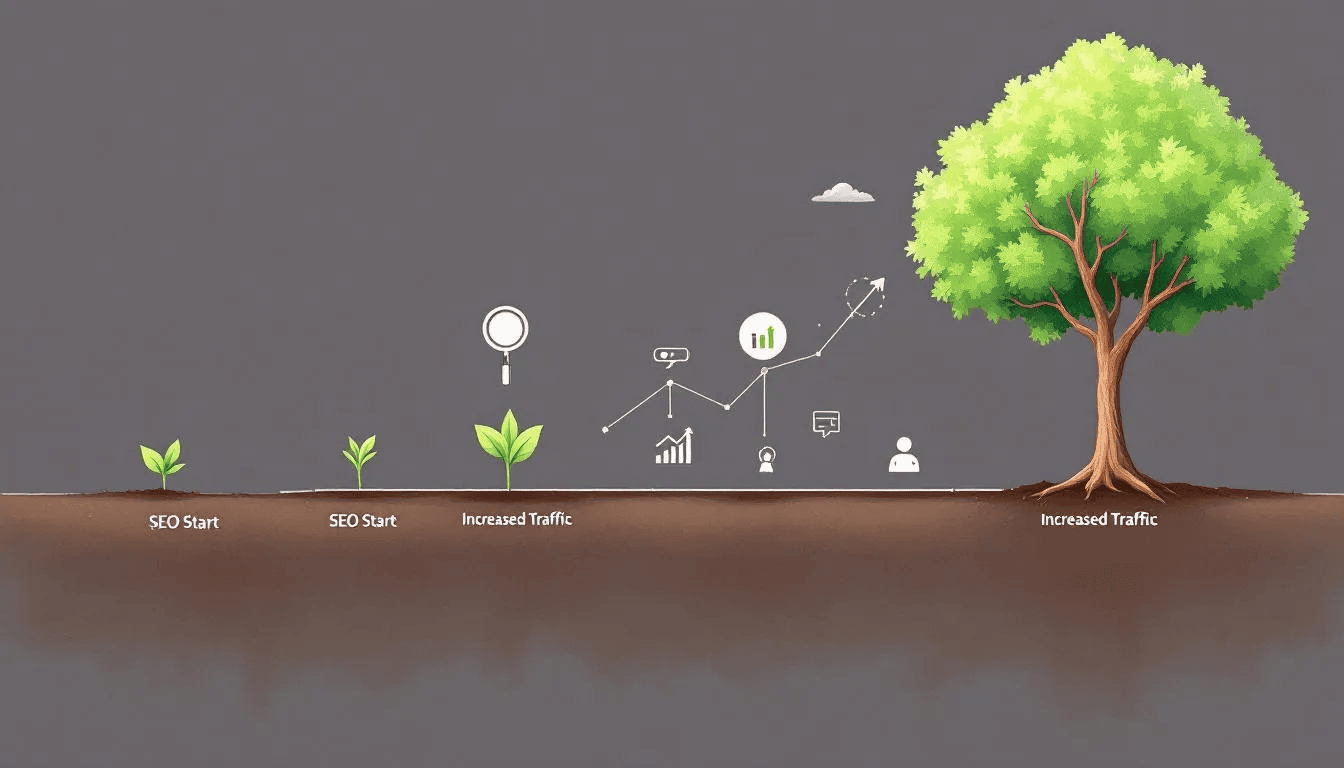
Long-Term Compounding Benefits
The true value of your real estate blog becomes apparent over time. Quality content published today continues generating leads months and years later. Many successful real estate professionals report that blog posts from previous years still rank on page one of Google and generate regular inquiries.
This compounding effect means your content investment grows more valuable over time, unlike paid advertising that stops working the moment you stop paying.
Avoiding Common Real Estate Blogging Mistakes
Learning from others’ mistakes accelerates your success:
Platform Dependency
Never build your content strategy exclusively on someone else’s platform (e.g. one your broker owns/controls). While social media and broker websites have their place, your own domain should be the center of your content universe.
Generic Content
Avoid rehashing information available everywhere else. Your local expertise and personal experience should differentiate every piece of content you create.
Inconsistent Publishing
Sporadic posting signals to both search engines and readers that you’re not committed. Better to post less frequently with consistency than to post daily for a month then disappear.
Ignoring Analytics
Publishing without measuring results means missing opportunities to optimize and improve. Use Google Analytics and Search Console to understand what content resonates with your audience.
Getting Started: Your First 30 Days
Begin your real estate blogging journey with this practical action plan:
Week 1: Set up your website (if needed) and choose 3-5 topic categories that align with your local market expertise.
Week 2: Research keywords for your first month of content using tools like Google Keyword Planner or other SEO platforms.
Week 3: Write and publish your first comprehensive guide (aim for 1,500+ words on a topic you know well).
Week 4: Create a content calendar for the next quarter, balancing evergreen topics with timely market commentary.
Conclusion
Real estate blogging isn’t just about creating content—it’s about building a digital asset that generates leads while you sleep. The real estate blog ideas in this guide provide the foundation for establishing yourself as the go-to expert in your market.
Remember, every successful real estate blog started with a single post. The key is beginning with quality content that serves your potential clients while optimizing for the searches they’re making right now. Your future self will thank you for the compounding value these efforts create.
The question isn’t whether you have time to blog—it’s whether you can afford not to build this lead-generating asset for your real estate business. Start today with one topic from this guide, and commit to consistency over perfection.
Frequently Asked Questions (FAQ) About Real Estate Blogging
What are the benefits of having a real estate blog for agents?
A real estate blog helps agents build authority, attract potential clients, improve SEO rankings, and generate leads consistently. It allows agents to showcase local expertise, share valuable insights, and differentiate themselves from competitors.
How often should I publish blog posts on my real estate website?
Consistency is key. Aim to publish at least 2-3 high-quality blog posts per week to maintain engagement, improve SEO, and build a loyal audience over time.
What topics should I avoid when writing a real estate blog?
Avoid providing legal or financial advice unless you are qualified. Also, steer clear of controversial topics like politics unless they directly impact the real estate market and can be presented professionally.
How can I promote my real estate blog to reach more potential clients?
Promote your blog through social media channels, email newsletters, local community groups, and by collaborating with other real estate agents or local businesses. SEO optimization also helps attract organic traffic.
What tools can help me write and optimize real estate blog posts?
Tools like Google Keyword Planner, SEMrush, Yoast SEO, and AI writing assistants (e.g., ChatGPT) can help with keyword research, content creation, and on-page SEO optimization.
How do I measure the success of my real estate blog?
Track metrics such as website traffic, time spent on page, bounce rate, number of leads generated, newsletter signups, and social media engagement to evaluate your blog’s performance.
Can guest posts help improve my real estate blog?
Yes, guest posts from other real estate agents or industry professionals can provide fresh perspectives, expand your network, and attract new audiences to your blog.
How do I choose the right keywords for my real estate blog?
Focus on keywords that your potential homebuyers and sellers are searching for, including local market terms, neighborhood names, and common real estate questions. Use keyword research tools to identify high-volume, low-competition terms.
Should I include images and videos in my real estate blog posts?
Absolutely. Including high-quality images, infographics, and videos enhances user engagement, helps explain complex topics, and improves SEO rankings.
How can I make my real estate blog posts more engaging?
Use clear, conversational language, break up text with headings and bullet points, include real-life examples and success stories, and provide actionable real estate tips that readers can apply.
What is the ideal length for real estate blog posts?
Aim for blog posts between 1,200 and 2,000 words to provide comprehensive coverage of topics while keeping readers engaged. Longer, in-depth posts often perform better in search rankings.
How do I handle negative comments or feedback on my blog?
Respond professionally and courteously, addressing concerns where possible. Use feedback as an opportunity to demonstrate your expertise and commitment to client satisfaction.
Can I repurpose my real estate blog content for other platforms?
Yes, repurpose blog content into social media posts, newsletters, videos, podcasts, or downloadable guides to maximize reach and engagement.
How important is local SEO for a real estate blog?
Local SEO is crucial because most real estate searches are location-specific. Optimizing your blog for local keywords, including neighborhood names and local landmarks, helps attract potential clients in your target area.
How do I stay updated with real estate industry trends for blogging?
Subscribe to industry newsletters, follow real estate news websites, join professional groups, and attend webinars or conferences to stay informed and incorporate the latest trends into your blog content.
What are some effective call-to-actions (CTAs) to include in my blog posts?
Encourage readers to contact you for consultations, sign up for newsletters, download guides, attend open houses, or follow you on social media to convert visitors into leads.
How can I ensure my real estate blog complies with real estate laws and regulations?
Stay informed about local and national real estate laws, avoid giving legal advice, and consult with legal professionals when necessary to ensure your content is compliant and accurate.
How do I handle SEO for luxury properties differently in my blog?
Highlight unique features, use high-quality visuals, target affluent neighborhood keywords, and create content that appeals to luxury real estate clients’ interests and lifestyle.
What are homeowners associations (HOAs), and should I write about them?
HOAs are organizations that manage community rules and amenities. Writing about HOAs, their fees, rules, and benefits can help educate potential buyers and is a valuable blog topic.
How can I use success stories in my real estate blog?
Share client testimonials and case studies highlighting how you helped buyers or sellers achieve their goals. Success stories build trust and demonstrate your expertise effectively.

Kurt Uhlir is a recognized leader in marketing, growth, and innovation, having helped scale companies and technologies used by millions every day—including at brands like eXp Realty, Sideqik, Vitrue, Oracle, Garmin, Facebook, Meta, Apple, and more. He’s trained tens of thousands of professionals on how to build trust, lead with service, and help clients make wise, informed decisions. At ez Home Search and Sure Send, his focus is on helping high-performing business owners, team leaders, and individual sales leaders grow their businesses through exclusive market access, privacy-first lead systems, and conversion-focused enablement tools.